Breaking Down Private Aviation Expenses
Flying private is a symbol of luxury and convenience. But behind the scenes, private aviation expenses can be complex and substantial. Understanding these costs helps you make informed decisions whether you’re considering chartering a flight, fractional ownership, or buying your own aircraft. I’ll walk you through the key components that shape the overall price of private air travel.
Understanding Private Aviation Expenses
Private aviation expenses cover more than just the flight itself. They include fixed and variable costs that add up quickly. Fixed costs are those you pay regardless of how often you fly. Variable costs depend on your usage and flight specifics.
Fixed costs typically include:
Aircraft acquisition or lease payments
Insurance premiums
Hangar or storage fees
Crew salaries and training
Maintenance reserves
Variable costs include:
Fuel consumption
Landing and handling fees
Catering and onboard services
Route-specific charges like overflight fees
For example, owning a midsize jet might mean paying $500,000 annually in fixed costs. Then, each hour in the air could add $3,000 to $5,000 depending on fuel prices and airport fees. Chartering a similar jet for a single trip might cost $7,000 to $10,000 per hour, but without the ongoing fixed expenses.

Breaking Down the Key Cost Drivers
Let’s dive deeper into the main factors that influence private aviation expenses.
Aircraft Type and Size
The size and model of the aircraft heavily impact costs. Light jets are more affordable to operate but have limited range and passenger capacity. Large-cabin jets offer more comfort and longer range but come with higher operating costs.
Light jets: $2,000 to $3,000 per flight hour
Midsize jets: $3,000 to $5,000 per flight hour
Heavy jets: $5,000 to $10,000+ per flight hour
Fuel Costs
Fuel is one of the largest variable expenses. Prices fluctuate based on global markets and can represent 30% to 50% of hourly operating costs. Efficient flight planning and choosing fuel-friendly routes can reduce this expense.
Maintenance and Repairs
Regular maintenance is mandatory for safety and regulatory compliance. Scheduled inspections, parts replacement, and unexpected repairs add to the budget. Older aircraft generally require more maintenance, increasing costs.
Crew Salaries and Training
Pilots and flight attendants are essential for smooth operations. Salaries vary by experience and region but expect to pay competitive wages. Ongoing training and certifications are also necessary expenses.
Airport and Handling Fees
Landing fees, parking charges, and ground handling services vary by airport. Busy or international airports often have higher fees. These costs can add hundreds or thousands of dollars per trip.
Insurance
Insurance protects against liability, damage, and loss. Premiums depend on aircraft value, usage, and pilot experience. High-value jets can have annual premiums in the six-figure range.
What is the $30 million dollar private jet?
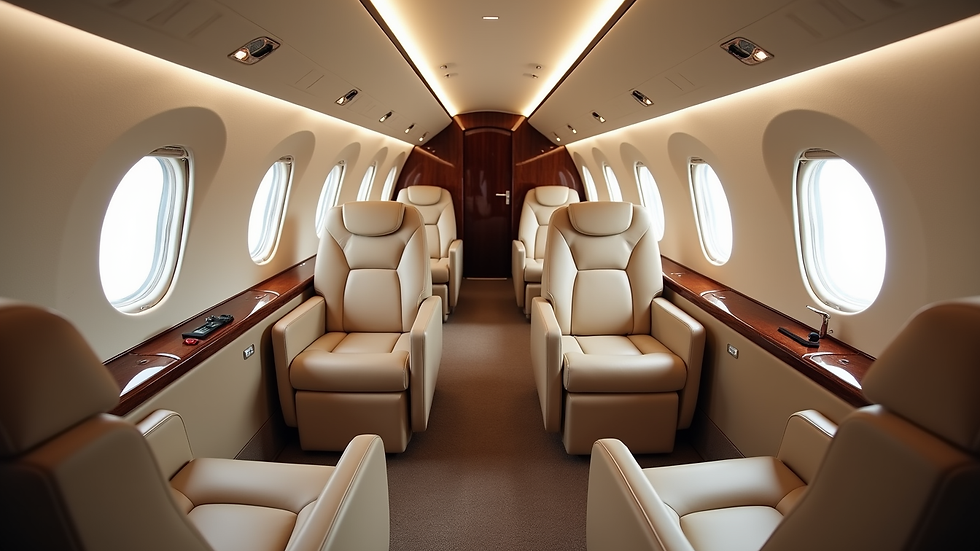
When discussing private aviation expenses, it’s worth mentioning the ultra-luxury segment. Some private jets cost upwards of $30 million. These aircraft feature state-of-the-art technology, lavish interiors, and extended range capabilities.
For example, a $30 million private jet might include:
Custom-designed interiors with bedrooms, offices, and lounges
Advanced avionics and safety systems
Long-range fuel tanks for intercontinental flights
Enhanced soundproofing and climate control
Owning such a jet means higher fixed costs, including insurance, maintenance, and crew. Operating expenses can exceed $10,000 per flight hour. However, the convenience and prestige often justify the investment for high-net-worth individuals and corporations.
How to Manage and Optimize Private Aviation Expenses
Managing private aviation expenses requires strategic planning and expert advice. Here are some practical tips:
Choose the right aircraft for your needs
Avoid overspending on a jet that exceeds your typical passenger count or range requirements.
Consider fractional ownership or jet cards
These options reduce fixed costs and provide flexibility without full ownership responsibilities.
Plan flights efficiently
Optimize routes and schedules to minimize fuel consumption and airport fees.
Negotiate contracts and fees
Work with service providers to get competitive rates on maintenance, fuel, and handling.
Regularly review expenses
Track costs and adjust your strategy as market conditions and usage change.
Leverage technology
Use flight planning software and apps to monitor fuel prices and weather conditions.
Final Thoughts on Private Aviation Expenses
Private aviation expenses are multifaceted and require careful consideration. Whether you’re flying occasionally or owning a jet outright, understanding the breakdown of costs empowers you to make smarter choices. The convenience, privacy, and time savings of private air travel come at a price, but with the right approach, you can maximize value and enjoy the experience fully.
If you want to explore options or get a detailed estimate, consider consulting with a full-service aviation company that simplifies the process. They can help you navigate the complexities and tailor solutions to your unique travel needs.
For a detailed look at the private jet cost and how it fits into your budget, visiting a trusted aviation service provider is a great first step.



Comments